





DAURI CLUB WATCH CARE & SERVICING
We pay particular attention to the quality of service for our club members. Here you will find essential information on using and servicing watches, whether you already own one or are making your first considered choice.
HOW SHOULD I CARE FOR MY WATCH?
Watches require professional care and regular attention. At DAURI CLUB, servicing is an essential part of watch ownership, regardless of a watch’s age or the complexity of its movement.
Timely care helps maintain accurate timekeeping, proper movement operation and the overall lifespan of your watch.
This approach helps your watch last longer while preserving its appearance and performance throughout ownership.
Clean your watch once a month
To avoid scratches, do not wear your watch on the same wrist as other jewellery.
Keep mechanical watches away from sources of magnetic fields to maintain accurate timekeeping, such as magnets in bag clasps or smartphone and tablet cases.
Wear mechanical watches at least once a month to prevent the lubricants from drying out.
If your watch is suitable for immersion, always rinse it with clean water after swimming in the sea or a pool to remove chlorine, sand and salt.
There is little need to worry about your watch crystal. Sapphire crystals, fitted in 90% of Swiss watches, are highly resistant to scratches.


Recommended interval between movement services
Recommended interval between water-resistance checks
Every year if the watch is regularly immersed in salt or chlorinated water.
POWER RESERVE
Mechanically wound watches should be wound at least once
per month. When not being worn, a watch has an average power reserve of 38 to 70 hours, depending on the model. Once this reserve is exhausted, it needs to be wound manually. Turn the crown clockwise about ten times to restart the movement before putting the watch on again.
HOW SHOULD I CLEAN MY WATCH?
We recommend cleaning your watch once a month.


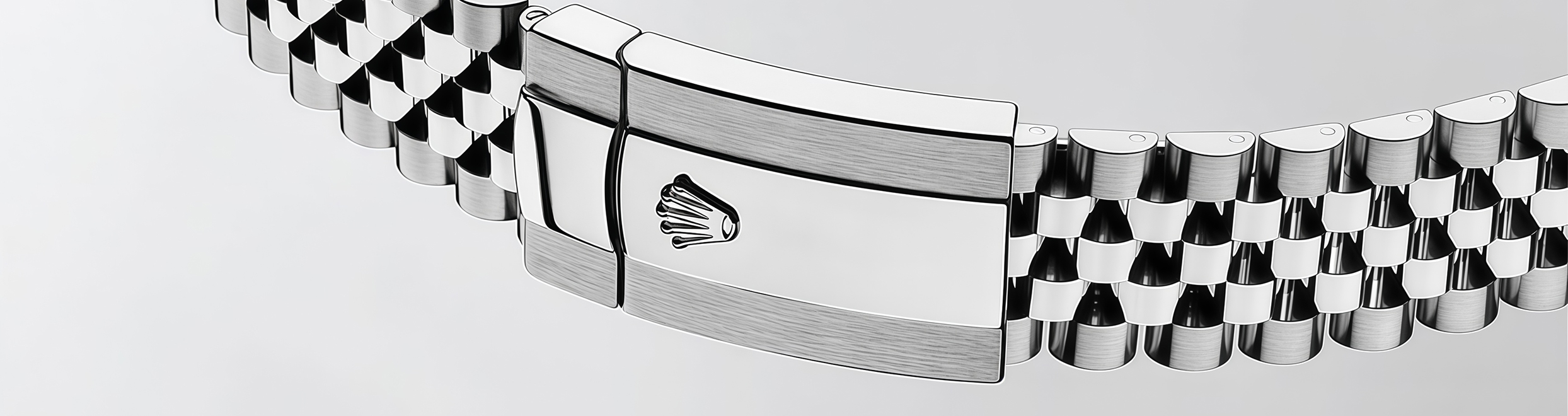
Metal bracelet
First, make sure the crown is fully pushed in and/or screwed down.
HOW CAN I MAINTAIN MY WATCH’S WATER RESISTANCE?
As a watch is submerged deeper in water, the external pressure on the crystal increases. This raises the risk of dust and water entering the movement.
Observe the stated ratings to prevent damage to your watch,
and do not swim with your watch if its water-resistance rating does not exceed 100 metres.
If condensation appears inside your watch, contact a service centre immediately to prevent corrosion of the dial and movement.
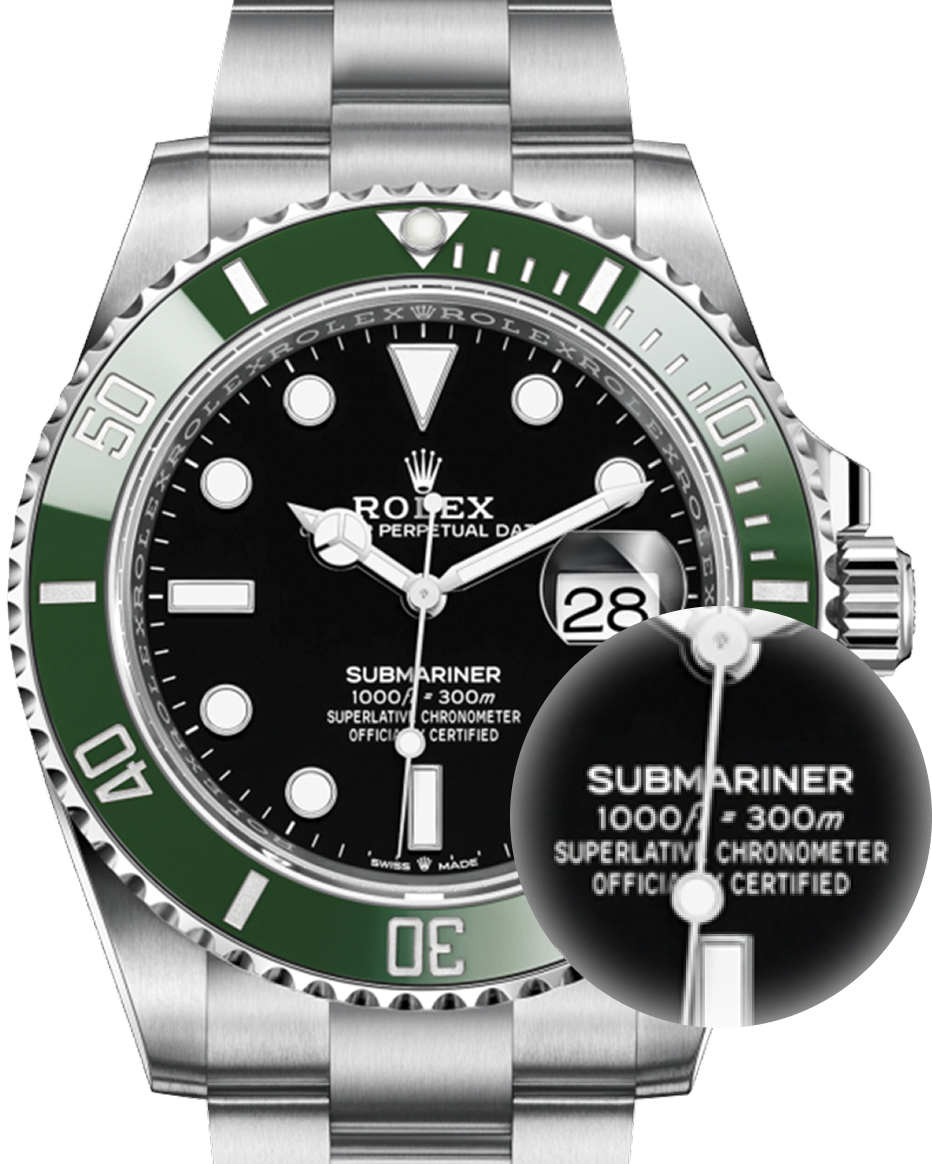
Water-resistance rating
Most watches are water-resistant. The water-resistance rating is engraved on the case back or marked on the dial. The depth rating varies by model.
CHECKS WHEN YOUR WATCH IS IMMERSED IN WATER
Before immersing your watch, make sure the crown is fully pushed in and/or screwed down. We recommend checking the case’s water resistance whenever it is opened, and annually if the watch is exposed to seawater or pool water for extended periods.
SERVICE EVERY 5 YEARS
Gaskets make a watch water-resistant. To maintain optimal water resistance, we recommend replacing them every five years.
KEEPING GASKETS IN OPTIMAL CONDITION
Rinse your watch with clean water after swimming in the sea or a pool to remove chlorine, sand and salt.
HOW CAN I PREVENT MY WATCH FROM BECOMING MAGNETISED?
In watchmaking, magnetisation refers to the adverse effect of magnetic fields on a watch’s performance.
Magnets create the magnetic fields with the greatest effect on watches. Examples include magnets in bag clasps or smartphone cases.
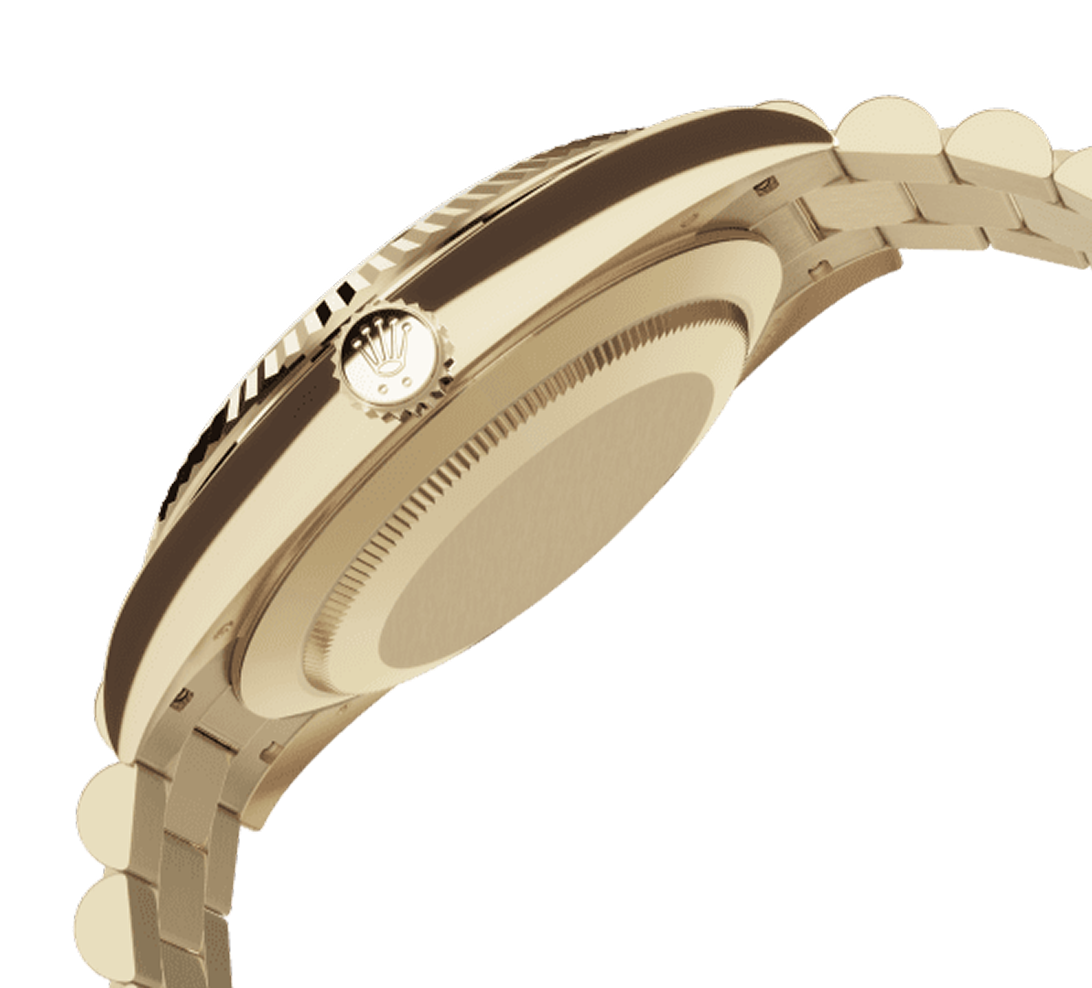
Recommended distance from strongly magnetic objects.
The effects of magnetism may persist after prolonged exposure, causing your watch to run fast or slow.
*These figures may vary depending on the strength of the magnetic field. Our calculations used a range of everyday objects, including smartphones, tablets and wireless speakers.
HOW DOES MAGNETISATION AFFECT A WATCH?
When a watch enters a magnetic field, its timekeeping may be affected, causing it to run fast or stop altogether. In most cases, it returns to normal once removed from the magnetic field.
THE GREATER SENSITIVITY OF MECHANICAL MOVEMENTS
Despite their technical complexity, mechanical watches are more susceptible to magnetisation than watches with other types of movement. Parts such as the hairspring and mainspring can become magnetised and affect the watch’s performance.
WHAT SHOULD I DO IF MY WATCH BECOMES MAGNETISED?
To check whether your watch is magnetised, place it near a compass. If it is magnetised, the compass needle will move erratically. To have your watch demagnetised, visit any DAURI CLUB boutique.
HOW CAN I HAVE MY WATCH ASSESSED?
Arrange a boutique appointment or visit the section relevant to your situation for more information on possible causes and solutions.
Try winding the watch manually.
If the watch still does not start, there are two possible causes:
There are two possible causes:
Water has entered the movement: a full diagnostic assessment is required, and oxidised parts must be replaced. Take your watch to any DAURI CLUB boutique.
or an authorised DAURI CLUB distributor.
Your watch will be sent to the workshop for a detailed expert assessment.
OUR MOST REQUESTED SERVICES
For more information, contact your personal manager or visit the section Frequently asked questions — FAQ


